

Sculpt and Define Your Jawline: A Complete Guide to Jawline Lifting
A jawline that gradually softens or develops stubborn fat deposits can make the face appear heavier and older than it is. Jawline lifting, a non-surgical cosmetic procedure, directly targets this concern by using injectable agents to temporarily reduce the submental fat beneath the chin. By contouring this specific area, the procedure redefines the angle between the neck and chin, creating a sharper, more youthful profile with minimal downtime. The result is a visibly slimmer and more defined lower face that enhances overall facial harmony.
What Exactly Is a Jawline Lift and How Does It Reshape Your Profile?

A jawline lift is a targeted surgical procedure that tightens the underlying superficial musculoaponeurotic system (SMAS) and repositions descended fat, directly addressing jowling and loss of definition along the lower face. Unlike a full facelift, it focuses exclusively on the area from the jaw angle to the chin, using small incisions near the ear to excise excess skin and suture the deeper tissue into a more elevated position. The result reshapes your profile by creating a continuous, sharp line from the ear lobule to the menton, removing the blunt transition where the neck meets the jaw. This restores a youthful, angular contour by increasing the visibility of the mandibular border and reducing submental fullness.
Key insight: the lift’s success hinges on redraping the deep layer, not just pulling skin, so the new profile stays natural and durable.
Recovery involves mild swelling, but the structural change—a defined, lifted jawline—remains permanent.
The Difference Between Surgical, Injectable, and Non-Invasive Sculpting Methods

Surgical sculpting, such as a formal lift, physically removes excess skin and tightens deeper tissue, delivering permanent, dramatic reshaping but requiring downtime and incisions. Injectable methods, using fillers or biostimulators, add volume along the jawbone to mask laxity and redefine the angle, offering immediate, reversible results that last 1–2 years without cutting. Non-invasive tools—like ultrasound or radiofrequency—use thermal energy to contract collagen and tighten skin over several months, yielding subtle, gradual improvement ideal for early sagging. Your choice hinges on skin elasticity, fat distribution, and desired permanence; surgical methods correct structural excess, injectables replace lost volume, and energy-based devices firm surface laxity.
- Surgical: permanent, invasive, addresses heavy jowls.
- Injectable: temporary, volume-driven, no recovery.
- Non-invasive: gradual tightening, zero downtime.
How the Procedure Targets Loose Skin, Jowls, and Weak Chin Definition
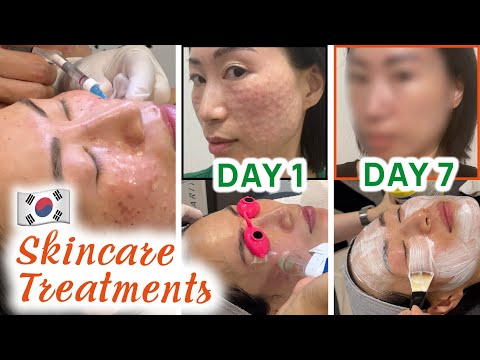
The jawline lift directly excises sagging skin along the lower cheek and neck, eliminating the redundant tissue that forms jowls. By tightening the underlying superficial musculoaponeurotic system (SMAS), the procedure repositions descended fat and muscle, instantly smoothing the marionette lines that frame a heavy jaw. For a weak chin, the surgeon may advance the deep plane tissue or insert a small implant, creating a stronger anterior projection that anchors the newly lifted profile. This dual-action—removing lax skin while rebuilding structural support—prevents the hollowed, pulled look of a superficial facelift. The result is a continuous, defined mandibular line. Loose skin and jowl correction follows a precise sequence:
- Incising within the hairline and ear crease to hide scars.
- Lifting and suturing the SMAS layer to redistribute volume upward.
- Trimming only the excess skin edges and redraping them tautly.
- Securing chin projection with a pocket suture or graft.
Who Gets the Best Results From a Lower-Face Contouring Procedure?
The best results from a lower-face contouring procedure for jawline lifting are seen in individuals with good skin elasticity and mild-to-moderate soft tissue laxity, typically in their 40s to early 60s. Candidates with a well-defined underlying bone structure but descended jowls or a blurred jaw border respond most favorably, as the lift repositions fat and tissue over a stable framework. Those with significant excess skin, extreme weight loss, or heavy, thick tissue often require more extensive surgery for optimal definition. Similarly, people with strong mental (chin) projection gain dramatic contour improvement, whereas those with a weak chin may need a concurrent implant or filler for balance. Younger patients with early lower-face skin creep achieve a subtle, natural refresh, not a radical change.
The key insight is that a sculpted, defined jawline emerges best when the bone base is adequate, and the issue is purely soft-tissue descent—not bone deficiency or severe skin redundancy.
Ideal Candidate Traits: Skin Elasticity, Bone Structure, and Age Factors
The best lower-face contouring results hinge on three interlocking factors. Optimal skin elasticity allows the tissues to shrink-wrap smoothly around a refined jawline, avoiding post-procedure sagging or a “wrinkled” appearance. Bone structure dictates the final outcome’s ceiling—a well-defined mandible provides a sturdy anchor for lifting, while a weak or recessed chin yields subtler, less dramatic shifts. Age matters less than tissue quality: a 45-year-old with firm skin and strong bone can outpace a 30-year-old with lax dermis and a sloping jaw. Ideal candidates possess moderate thickness, resilient collagen, and skeletal support that complements, not fights, the needle or thread.
When You Should Wait—and When a Lift Won’t Solve the Underlying Issue
You should wait on a lower-face lift if you have active skin infections, unhealed dental work, or a history of poor scarring, as these conditions skew results. A lift won’t solve underlying issues like significant bone loss, severe muscle laxity, or a receding chin, where volume loss or skeletal structure is the real culprit—not soft tissue. In these cases, dermal fillers or implants address the root cause better. For best timing, follow this sequence:
- resolve inflammation or dental problems first
- stabilize your weight for six months
- then reassess whether a lift is still needed
Ignoring this leaves you with persistent jowling from untreated structural deficiency.
Step-by-Step Guide to Preparing for Your Jawline Sculpting Session
Begin your jawline lifting prep by hydrating for 48 hours—plump skin responds better to sculpting tools. Avoid blood thinners like aspirin, alcohol, and fish oil for five days to minimize bruising. On the day, cleanse your face thoroughly and skip heavy serums or makeup; bare skin lets the device grip evenly. Map your jawline’s pressure points with a gentle pinch test—if it feels tender, massage the area for two minutes to relax tension. Arrive with a light snack (protein or fruit) to prevent lightheadedness during the session. Post-prep, don’t ice immediately, as warmth helps lymphatic drainage. Q&A: “Should I exfoliate before jawline lifting?” Yes—a mild scrub 12 hours prior removes dead cells, so the lifting energy penetrates deeper, but never on the day itself to avoid irritation.
What to Avoid (Medications, Alcohol, and Skincare) in the Week Before

Avoid blood-thinning medications like aspirin, ibuprofen, and fish oil for at least seven days prior, as they increase bruising risk. Steer clear of alcohol for 48–72 hours, as it dehydrates tissue and amplifies swelling. Stop using retinoids, glycolic acid, or prescription-strength topical treatments on the lower face five days beforehand to prevent irritation. Skip aggressive exfoliation, waxing, or laser procedures on the jawline entirely. Pre-session skin preparation also means halting injectable anticoagulants like heparin if medically cleared. If unsure about any supplement, consult your provider. Finally, avoid facials or microdermabrasion in that window, as they compromise the skin barrier before jawline lifting.
Questions to Ask Your Practitioner During the Consultation
Walk into your consultation armed with sharp, specific queries about your jawline lifting treatment plan. Ask exactly which technique—threads, fillers, or energy-based devices—they recommend for your bone structure, and why that method wins over others for your skin laxity. Clarify the expected timeline for visible results and how many sessions you truly need, not just the “ideal” package. Probe about pain management, downtime, and what side effects are actually common versus rare. Request to see before-and-after photos of patients with a similar face shape to yours. Finally, confirm what happens if you’re unhappy with the outcome—are revisions included or extra?
Your consultation is a two-way interrogation: demand technique rationale, realistic timelines, revision policies, and proof of results tailored to your anatomy.
How to Manage Pain, Swelling, and Downtime Expectations
Managing pain, swelling, and downtime expectations begins pre-procedure by avoiding blood thinners like ibuprofen and alcohol for one week, which directly reduces bruising. Immediately post-session, apply a cold compress for 15-minute intervals during the first 48 hours to cap swelling, while keeping your head elevated even while sleeping. Expect peak facial puffiness around day three, then a visible decline by day seven; residual tenderness typically resolves within ten days. Prescribed arnica or oral analgesics—not aspirin—control discomfort without increasing bleeding risk. Plan social downtime of five to seven days, though subtle residual swelling may persist for three weeks. Jawline lifting recovery protocols emphasize sleeping exclusively on your back to avoid pressure asymmetry.
Q: How do I distinguish normal post-procedure swelling from a complication? Normal swelling feels symmetric, peaks at 72 hours, and improves daily; asymmetric, throbbing pain with fever or sudden firmness warrants immediate clinician review—do not wait for scheduled follow-up.
What to Expect Right After the Lift: Healing, Results, and Aftercare Tips
Immediately after a jawline lift, expect swelling, bruising, and some tightness or numbness along the lower face, which typically peaks within 48–72 hours. Your initial results will be obscured by this inflammation, but the underlying contour will gradually emerge over two to three weeks as fluid recedes. Keep your head elevated above heart level for the first few days and apply cold compresses intermittently to minimize swelling. Avoid any strenuous activity, bending, or side-sleeping for at least two weeks to protect the sutures and repositioned tissues. Follow your surgeon’s specific cleansing and antibiotic protocol to prevent infection at the incision lines near the ears or chin. Expect visible firming and a sharper jawline by week three to four, with final settling over three to six months. Numbness and asymmetry during early healing are usually temporary, but report any sudden pain or redness. Massage or heat should only be introduced after your provider confirms it’s safe.
Immediate Side Effects: Bruising Patterns, Tightness, and Numbness
Within the first 48 hours after a jawline lift, expect **predictable bruising patterns** that often trace the lower cheek and neck, appearing as yellow-green patches as they fade by day ten. Skin tightness feels like a firm, pulled sensation when you smile or turn your head, peaking around day three before easing. Numbness in the chin or earlobe is common, stemming from minor nerve irritation; this is temporary, though full sensation may take several weeks to return. You might also notice uneven swelling that accentuates one side—normal. Managing early post-lift bruising and numbness requires arnica gel for discoloration, gentle massage only after approval, and avoiding heat.
Q: How long does tightness and numbness persist after a jawline lift?
A: Tightness typically resolves within 10–14 days as tissue settles, while numbness can linger for three to six weeks. If you experience sharp pain or bruising that spreads beyond the jaw into the throat, contact your surgeon immediately.
When You’ll See Final Contouring and How to Extend the Longevity
Final contouring after a jawline lift typically emerges between **three and six months** post-procedure, as residual swelling fully subsides and collagen remodeling stabilizes the deeper structural support. To extend longevity, consistently protect the area with high-SPF sunscreen, as UV degradation accelerates skin laxity. Maintain a stable weight, since fluctuations stretch the soft-tissue envelope over the defined mandibular edge. Adopt a side-sleeping position or use a supportive pillow to minimize gravitational pressure on the treated zone. Avoid repeated extreme facial expressions and aggressive massage, which can displace subtle tissue positioning. Periodic skin-tightening maintenance treatments, like focused ultrasound, are often scheduled annually to reinforce the lifted contour without reversing the primary correction.
Essential Products and Habits That Protect Your Newly Sculpted Line
Your newly sculpted line demands a defense routine, not just admiration. Swap harsh cleansers for a gentle, sulfate-free wash, then lock in moisture with a ceramide-rich barrier cream to prevent irritation that could disrupt settling. Sleep exclusively Sofwave in seoul on a low-profile, silk pillowcase to reduce friction and pressure on the jaw’s contour. During the day, shield your sculpted jawline with SPF 50, as UV exposure accelerates collagen breakdown and softens the crisp definition you just invested in.
- Apply arnica gel topically to minimize residual swelling without massaging the area deeply.
- Avoid straws and extreme chewing motions for ten days to prevent tension on the tissue.
- Use a cold compress in five-minute intervals, but only if your provider approves.
- Keep your chin elevated above chest level while sleeping to maintain the line’s integrity.
Choosing Between a One-Time Lift and a Maintenance Plan—What’s Right for You?
A one-time jawline lift suits those seeking immediate correction for significant laxity or structural definition, with results lasting one to two years depending on your tissue quality. A maintenance plan, involving smaller, periodic touch-ups every six to twelve months, costs more over time but preserves a consistent, subtle contour and prevents noticeable dips between sessions. The right choice hinges on your baseline: if your skin has good elasticity and you only need occasional sharpening, a lift alone may suffice, whereas chronic softness or gradual aging typically demands upkeep to avoid a “yo-yo” effect. Budget and lifestyle matter—one-time payments feel simpler, but maintenance spreads expense and risk across gentler interventions. *Ultimately, ethical practitioners will recommend the option that matches your facial anatomy, not your wishlist.* For best long-term satisfaction, assess how your jawline responds to the first session, then decide if the initial result is worth defending.
Comparing Recovery Time, Cost, and Touch-Up Frequency for Each Approach
A one-time jawline lift typically demands a longer initial recovery—often seven to ten days of swelling and bruising—but delivers dramatic results with minimal upkeep, as touch-ups are rarely needed for two to three years. In contrast, a maintenance plan uses smaller, targeted sessions with downtime of just a day or two, yet costs accumulate steadily and you’ll schedule refresher appointments every six to twelve months. Upfront, the single procedure carries a higher price tag, while the maintenance route spreads expenses thinner but eventually surpasses it. Your decision hinges on whether you prefer a hefty, infrequent investment or a steady rhythm of smaller payments, and whether you can tolerate longer downtime now versus recurring, shorter interruptions later. Weighing recovery time versus long-term cost clarifies which path aligns with your lifestyle and budget.
Signs Your Results Are Fading and When to Schedule a Follow-Up
Your jawline results typically begin fading when you notice softness returning under the chin or a slight loss of angular definition, often between 6–12 months post-treatment. Watch for a less defined transition from neck to jaw, sagging skin that feels thicker to touch, and diminished shadowing that once sculpted your profile. If these changes appear alongside reduced firmness when you press gently, schedule a follow-up within 2–4 weeks to prevent complete regression. When to schedule a follow-up depends on your baseline: quick metabolizers may need touch-ups sooner, while others can stretch to 18 months. Signs your results are fading follow a predictable order:
- Skin laxity reappears at the mid-jaw first
- Submental fullness (under-chin softness) becomes visible
- Contour asymmetry returns
- You feel less lift when tilting your head up
Book the appointment early—waiting until full regression means starting over, not maintaining.